Immersion
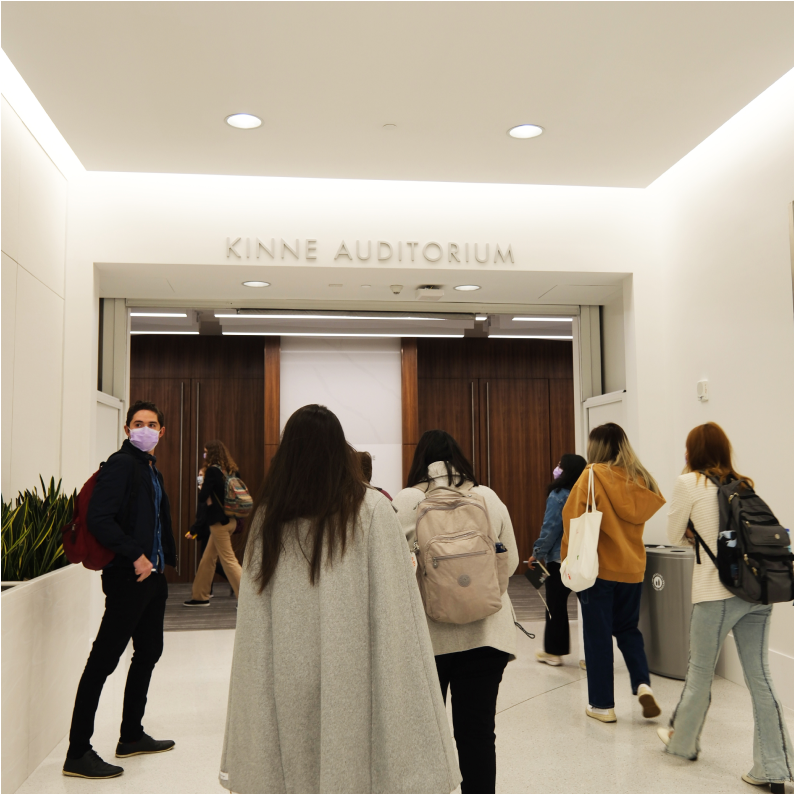
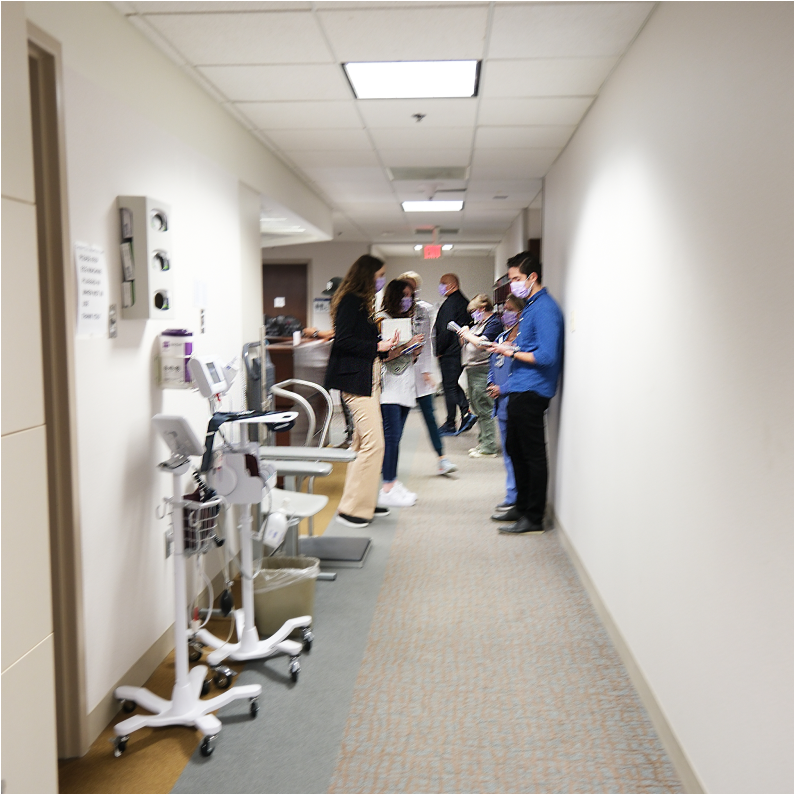
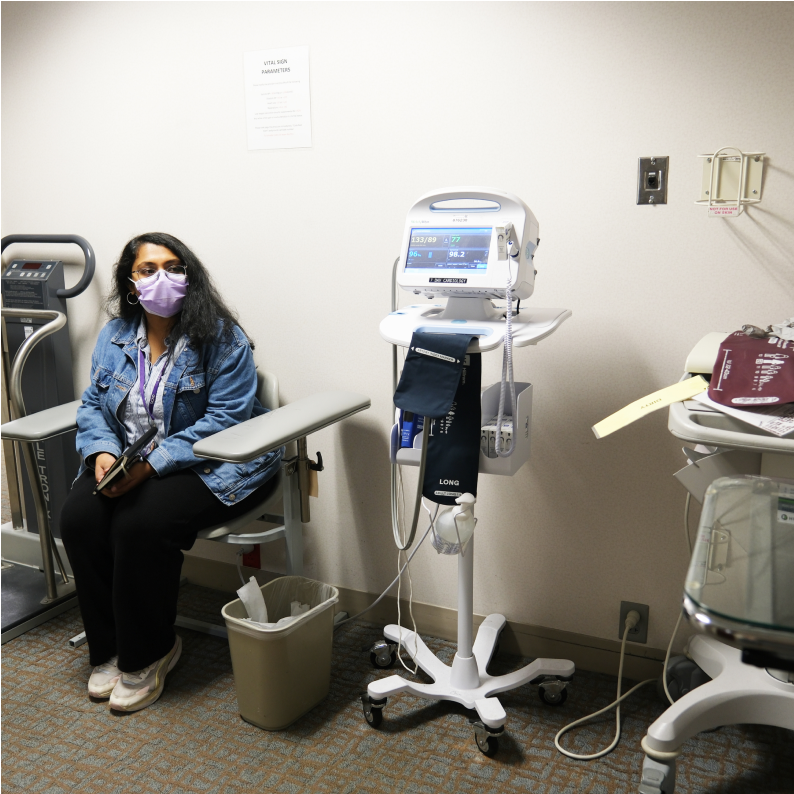
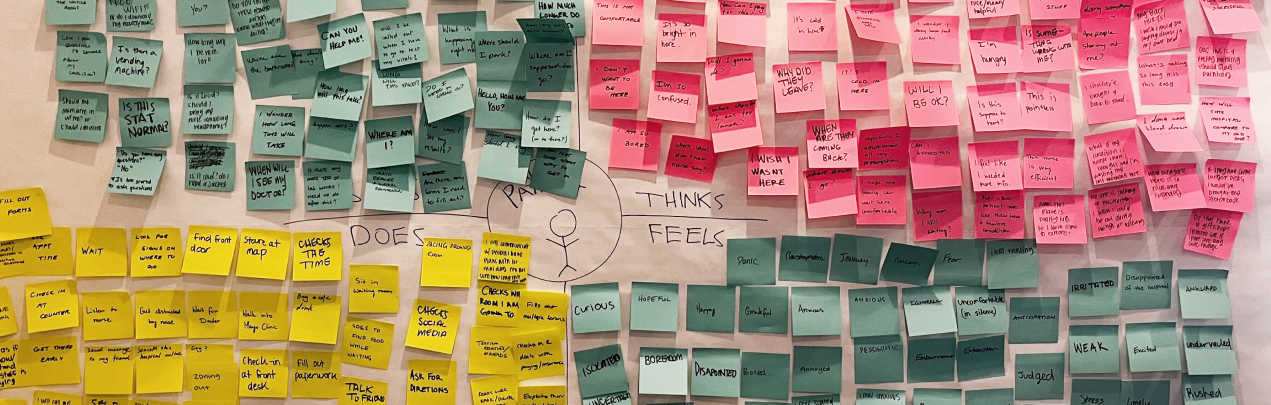
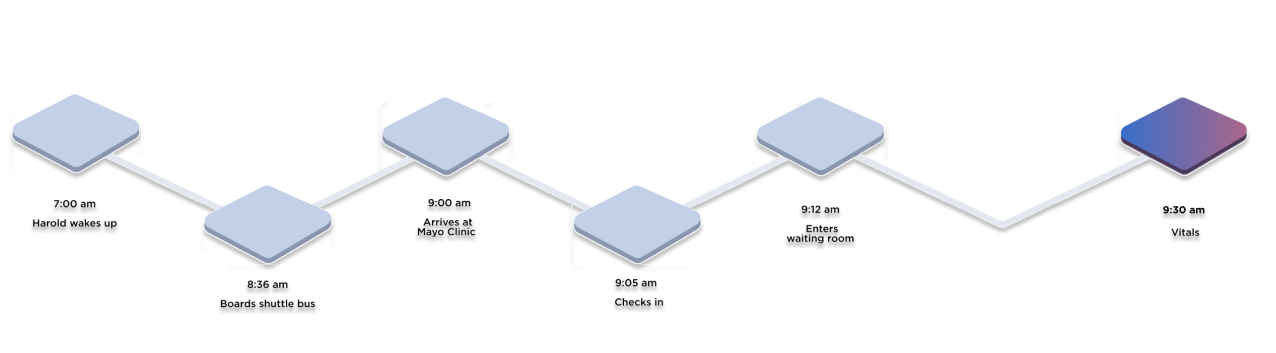
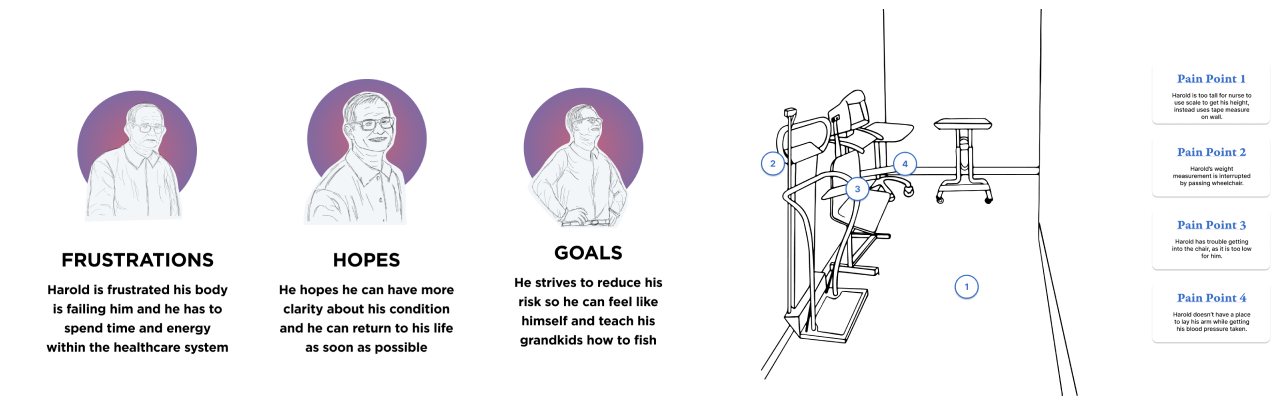
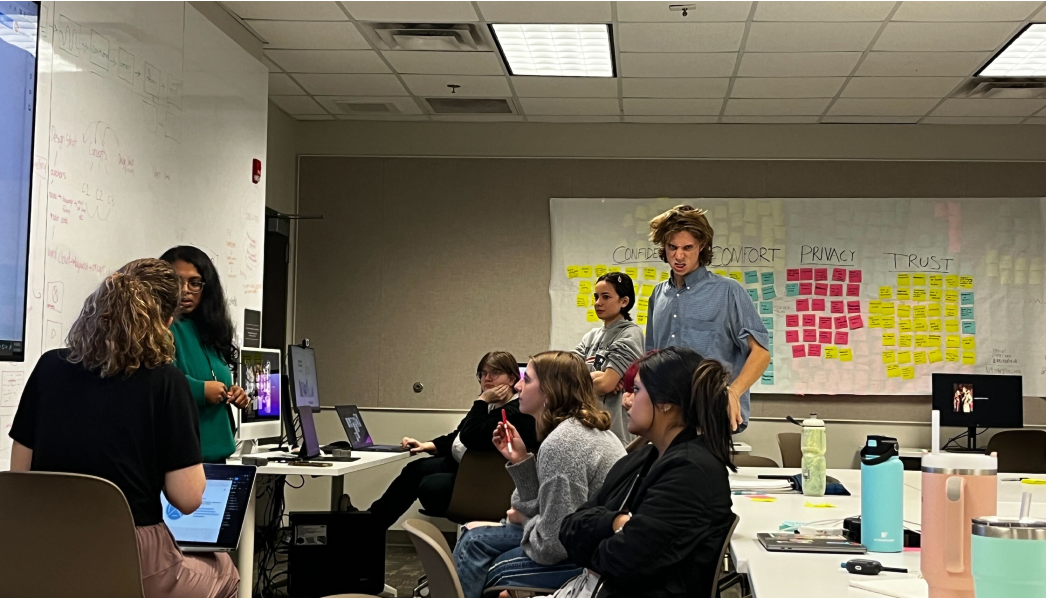
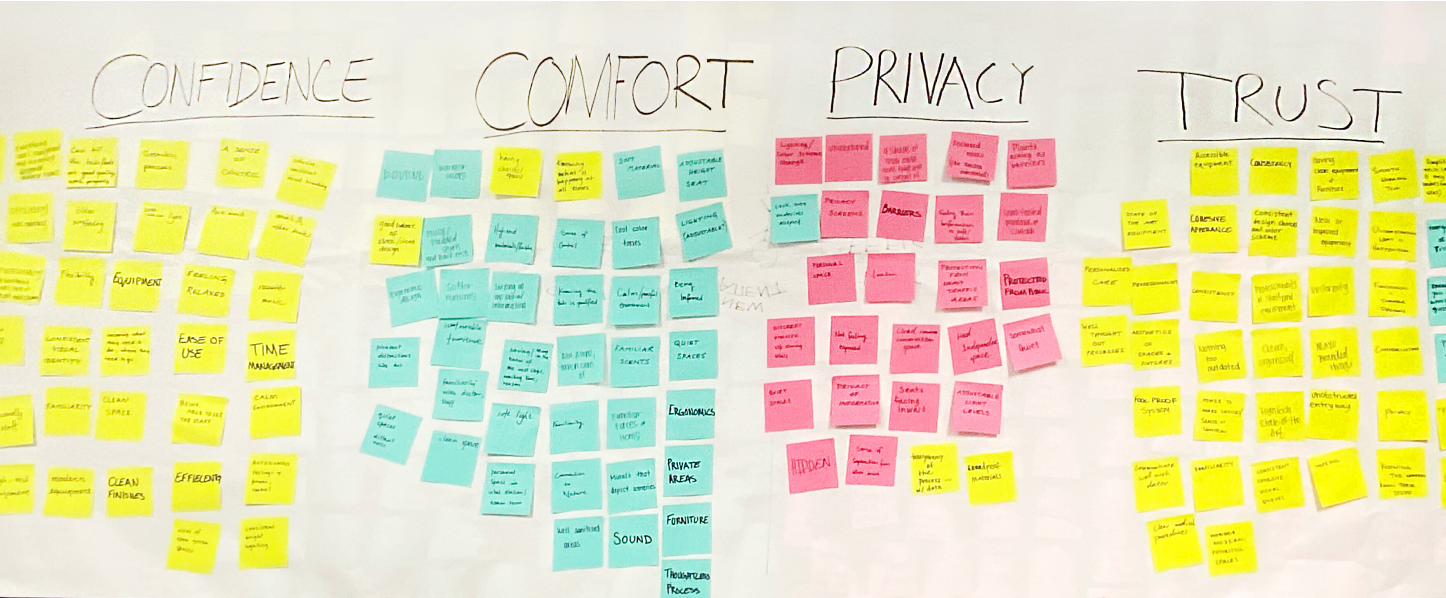
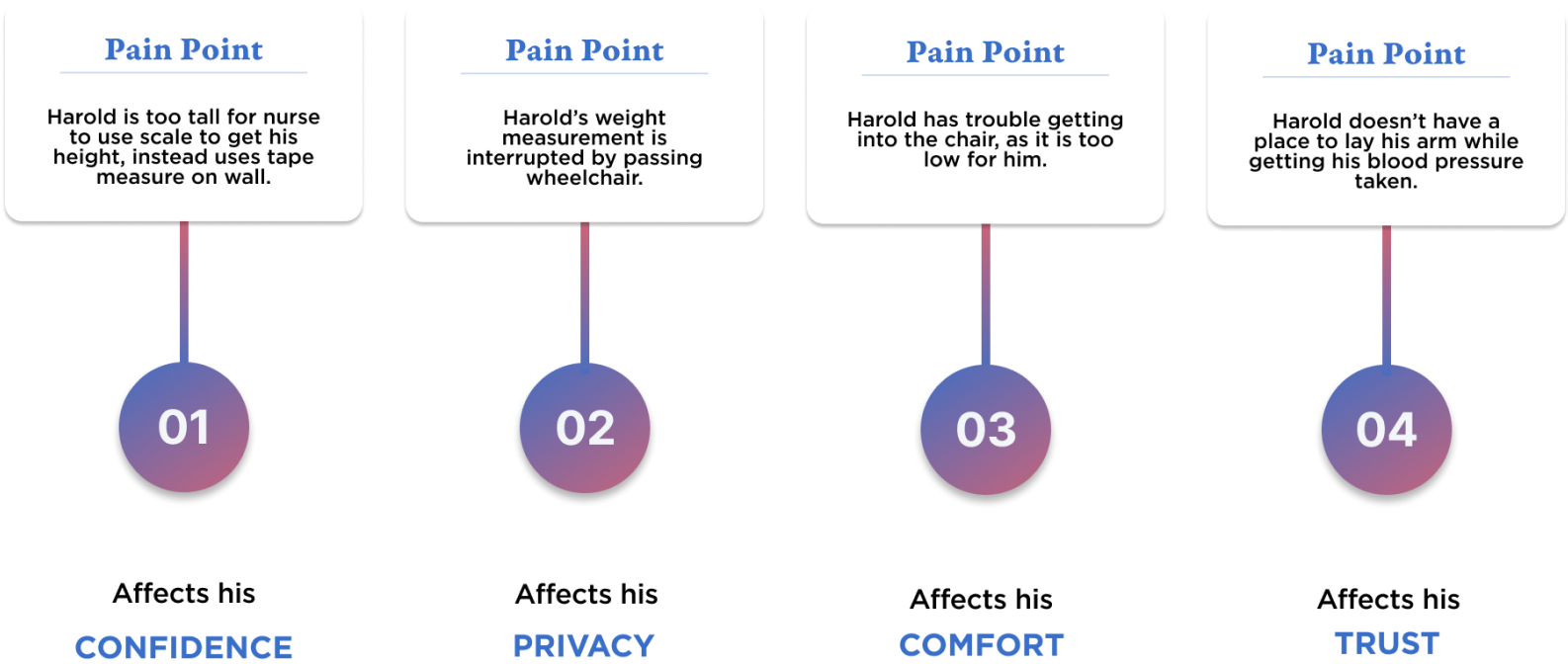
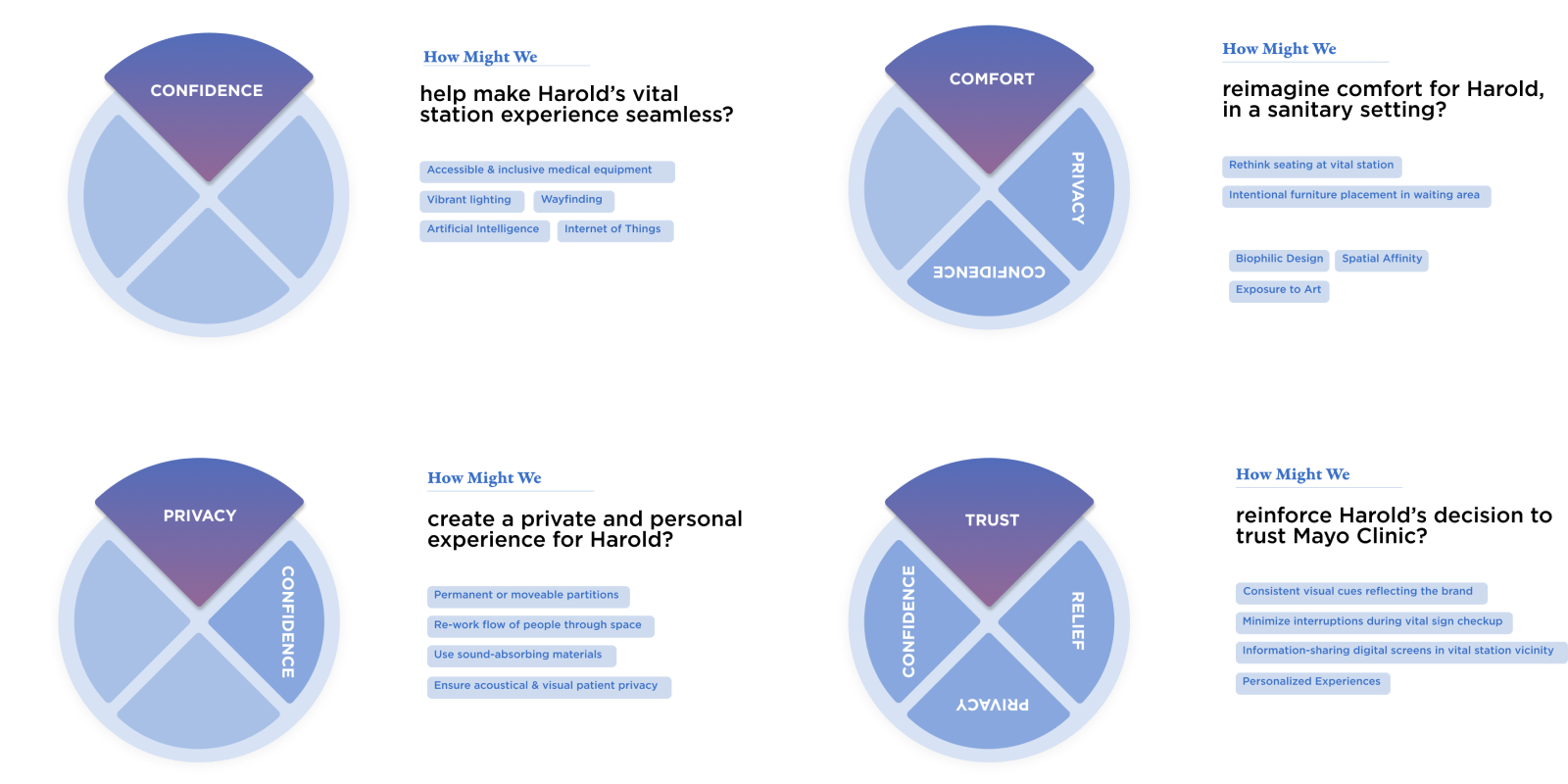
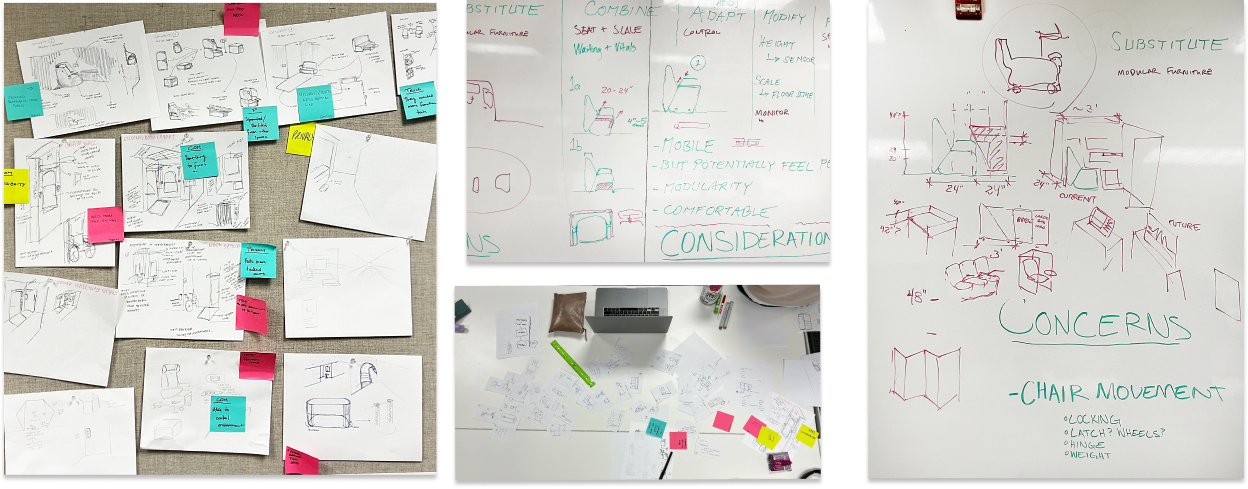
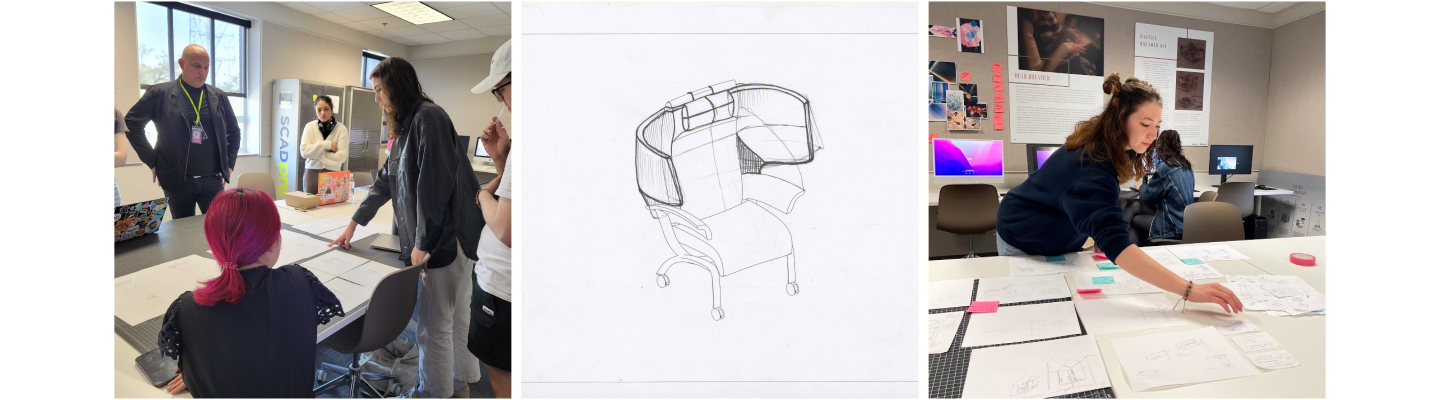
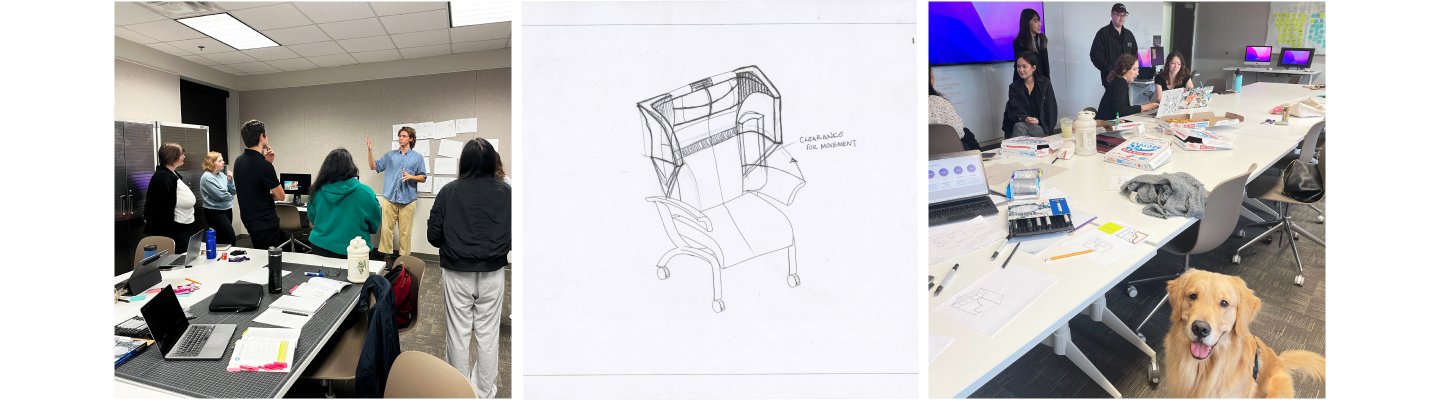
We kicked off the project with secondary research, and a site visit to the Mayo clinic facility in Jacksonville, Florida. Our visit and findings led us to create our key user - Harold’s persona. And using an empathy mapping workshop, we were able to take our understanding of Harold’s behavior and distill it into his frustrations, hopes, and goals. This helped us arrive at the journey mapping stage, wherein we mapped out the patient’s (Harold) vitals check-up experience, the various physical and digital touchpoints he interacted with, and the pain points he met with throughout his journey.